Breeders meeting in Karkonosze National Park
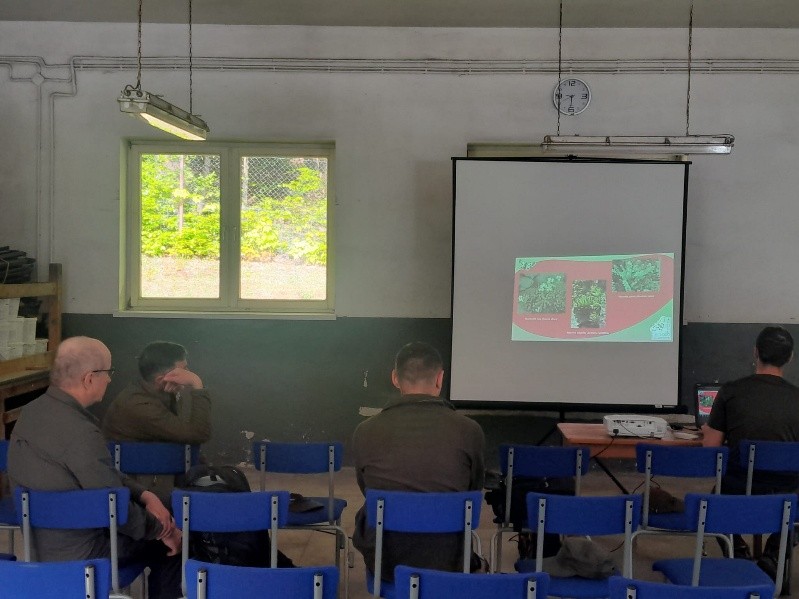
In may another meeting of P. apollo breeders was held, as a way to exchange the experiences.
The participants were:
- Roman Rąpała, Grzegorz Hajnowski – Karkonosze National Park
- Grzegorz Vončina, Bogusław Kozik, Stanisław Złydaszyk, Mateusz Dziurny – Pieniny National Park
- Katarína Kisková – Pieninský národný park
- Magnus Jakobsen – an independent invertebrates expert form Norway
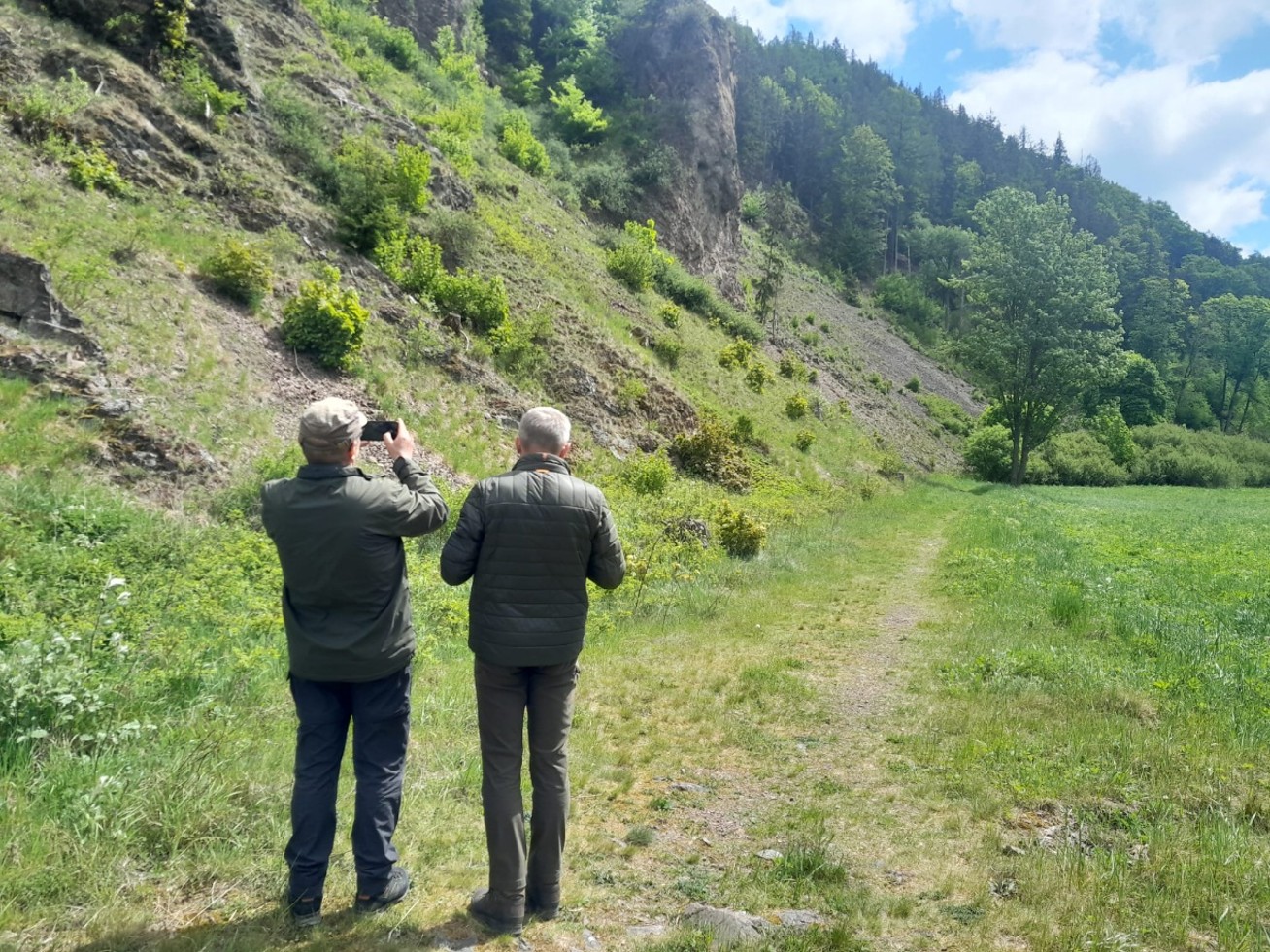
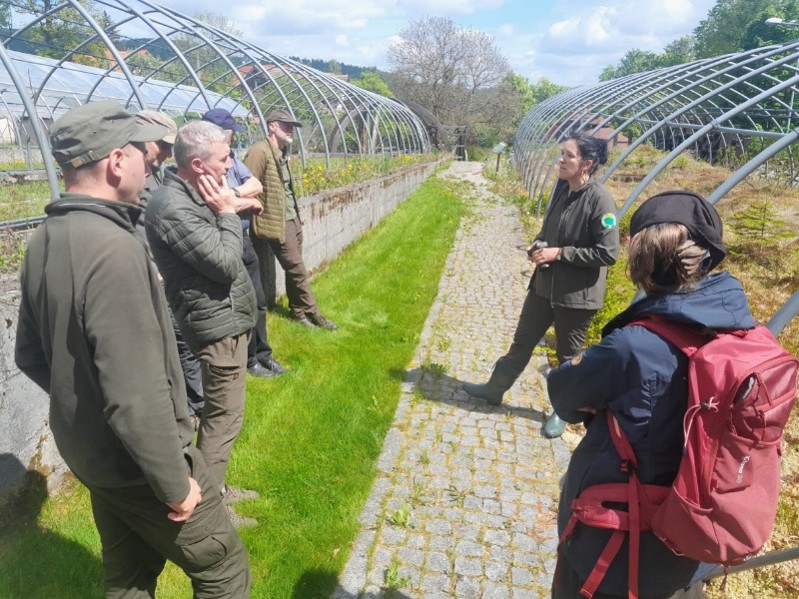
The attendees visited Kruczy Kamień nature reserve and the Chojnik Mountain, where they could observe the habitats of the wild population of the Apollo butterfly. They had also visited a breeding farm in Karkonosze Gene Bank, where the employees from KPN presented their P. apollo breeding practices.
Parnassius apollo in Pieniny National Park
One of the reasons for the meeting was an unsettling situation of the Apollo butterfly in Pieniny Mountains. The problem is progressive decline of the population at all known sites there. There are several different factors which may cause this situation. These are factors such as habitat fragmentation and recurring unfavorable weather conditions in early spring, which might increase mortality of the larvae. To solve this problem, the Park decided to reactivate a breeding farm and is also considering the possibility of establishing a large breeding facility in which the butterflies would undergo their full life cycle.
Butterflies reintroduction in Norway
The participants also had an opportunity to learn about butterflies’ conservation and reintroduction in Norway. Mr. Jakobsen shared insights into innovative breeding methods and reintroduction programs. He also talked about transforming excavation sites into habitats suitable for development of organisms, including the Apollo butterfly. Currently, the Norwegian government plans to restore the former coastal population of P. apollo, using material from inland populations. To achieve that, the construction of a breeding farm is planned.
Conlusions from the meeting
The meeting was an important experiences exchange. Practices shared during the meeting will be useful in the pursuits of P. apollo conservation and reintroduction, both in National Parks and in Norway. Solutions used in Karkonoski National Park and in conservation programs in Norway may be valuable directions for the reintroduction of the Apollo butterfly in the Pieniny Mountains.
Author: Maja Wierzchowska


