Conservation Action at Stoissengraben and the Stosswand – a Stepping Stone for the Apollo Butterfly
What does it take to help a butterfly thrive?
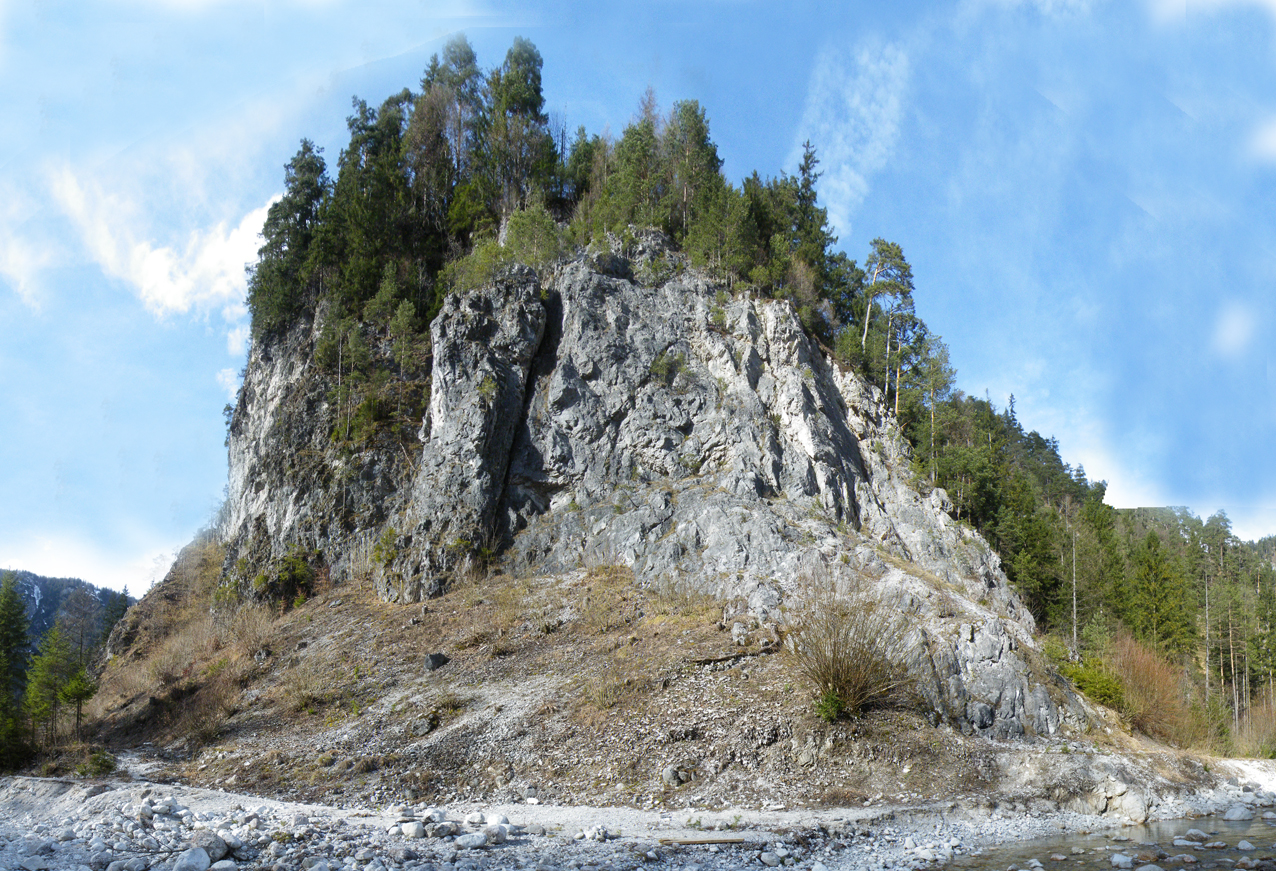
At the Stosswand near Saalfelden, volunteers, Alpine Club members and the European Wilderness Society joined forces to secure another stepping stone for the endangered Apollo butterfly: On 13 September 2025, under the expert guidance of butterfly specialist Otto Feldner, a joint action of the European Wilderness Society, the Alpine Club, and dedicated volunteers took place at the Stosswand near Saalfelden. The goal: to secure and improve the habitat of the highly endangered Apollo butterfly (Parnassius apollo).
Conservation Relevance
The Apollo butterfly is considered one of the most iconic species for alpine nature conservation in Europe. Its survival depends on specific host plants (above all stonecrop species – Sedum spp. – as well as scabious, thistles, and wild carrot) and on open, sunny, rocky slopes. Due to increasing shrub encroachment and habitat loss, many populations are isolated. This is where the LIFE Apollo2020 Project comes in: so-called stepping stones are created or maintained to improve the connectivity of subpopulations. These habitat patches allow butterflies to disperse, ensure genetic exchange, and strengthen the resilience of the overall population.
The Stosswand has now been developed into such a stepping stone habitat, joining other important sites such as Leisach (Tyrol), the Rheindamm (Vorarlberg), and Virgen and Hinterbichl (East Tyrol). Together, these stepping stones form a growing network of habitat elements that secure the future of the Apollo in Austria.
Habitat Management
The work focused on:
- Clearing shrubs and thinning the slope to restore open, light-rich structures.
- During shrub clearance, shrubs and young trees are specifically removed that would otherwise shade the crucial stonecrop patches needed by Apollo caterpillars.
- Open rocky surfaces are exposed, creating a warmer microclimate and giving space for host plants such as stonecrop, scabious, and thistles.
- This preserves a typical Apollo habitat: dry, sunny, and rich in larval host plants.
- Planting and freeing host plants such as stonecrop, scabious, and thistles.
- Managing the existing vegetation to reduce dominance of competitive species.
Various tools from the Apollo2020 project were used (hand saws, pruning shears, chainsaws, planting tools), complemented by protective safety clothing provided by EWS.
Cooperation with the Alpine Club and Volunteers
The Alpine Club had publicly invited participants to this action. Due to uncertain weather conditions, the number of participants was somewhat smaller this time – which turned out to be an advantage: in a focused group, work could be carried out particularly efficiently, and participants benefited from closer exchange with the experts. Moments like these highlight how valuable the support of volunteers is: their willingness to contribute time and energy is essential for the success of such conservation measures. The cooperation is not only appreciated but also serves as an opportunity to share knowledge, deepen connections with nature, and create something sustainable together.
Continuity in the Project
The habitat action at the Stosswand is part of a series of measures already implemented by the European Wilderness Society within the LIFE Apollo2020 project. Thanks to these efforts, several managed sites are currently in good “Apollo condition” – with suitable structures, abundant host plants, and stable conditions for the butterflies. The work at the Stosswand complements these efforts and strengthens the Austria-wide network of stepping stones, stretching from the Rhine Valley to East Tyrol.
Outlook
This action has made another decisive contribution to the conservation of the Apollo habitat.
The Stosswand now functions as an important stepping stone within the LIFE Apollo2020 project – a habitat link that facilitates butterfly dispersal, connects populations, and thus secures the long-term survival of this species in the Alps. With excitement and optimism, we now look forward to the next Apollo season, when we will be able to see how the measures are working and which positive developments in the habitat can already be observed.