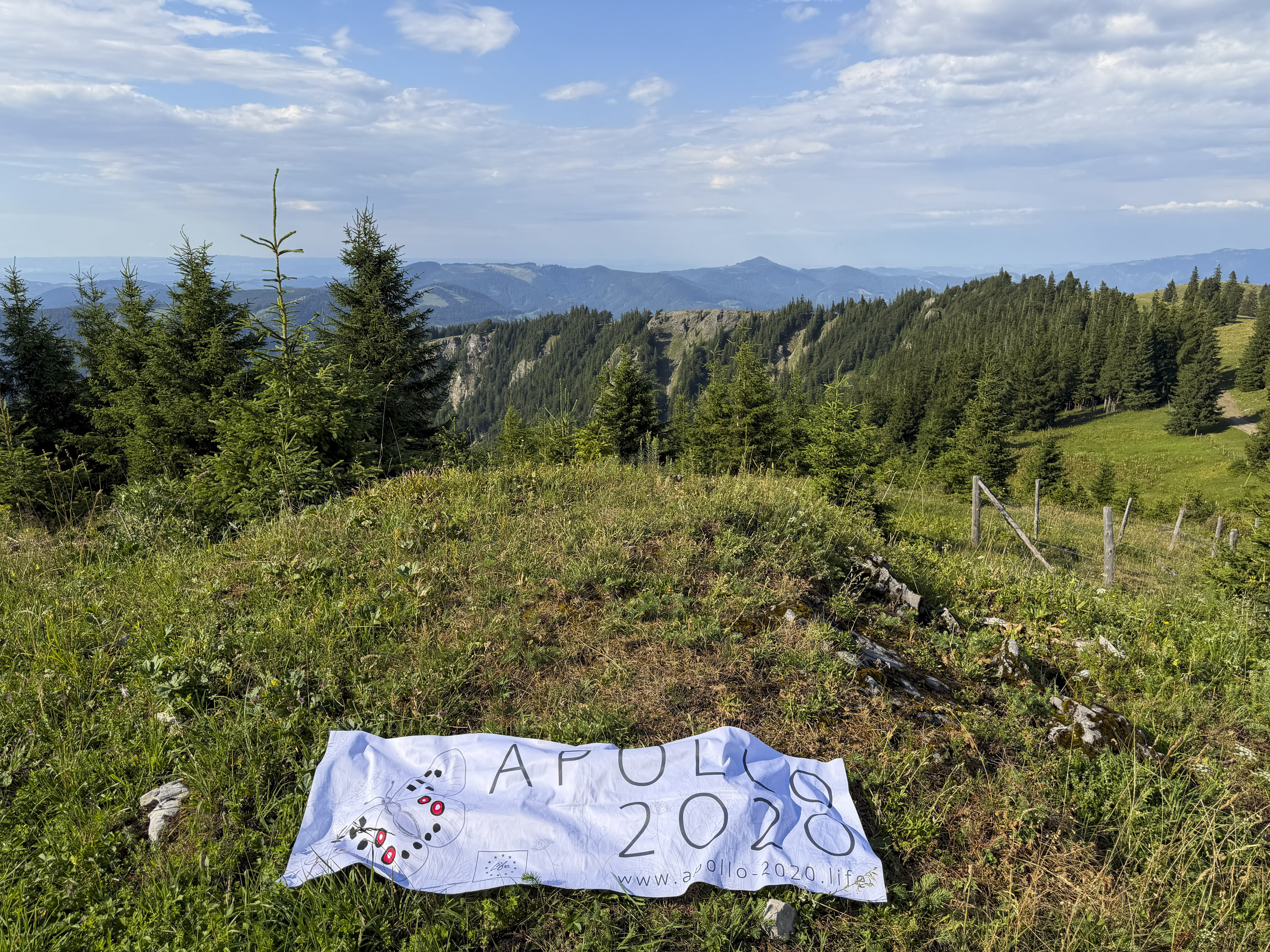
Apollo2020 Austria 2026 – Releases, Recovery and a Strong Final Push
A year of action across Austria
2026 has been another intensive and successful year for LIFE Apollo2020 in Austria.
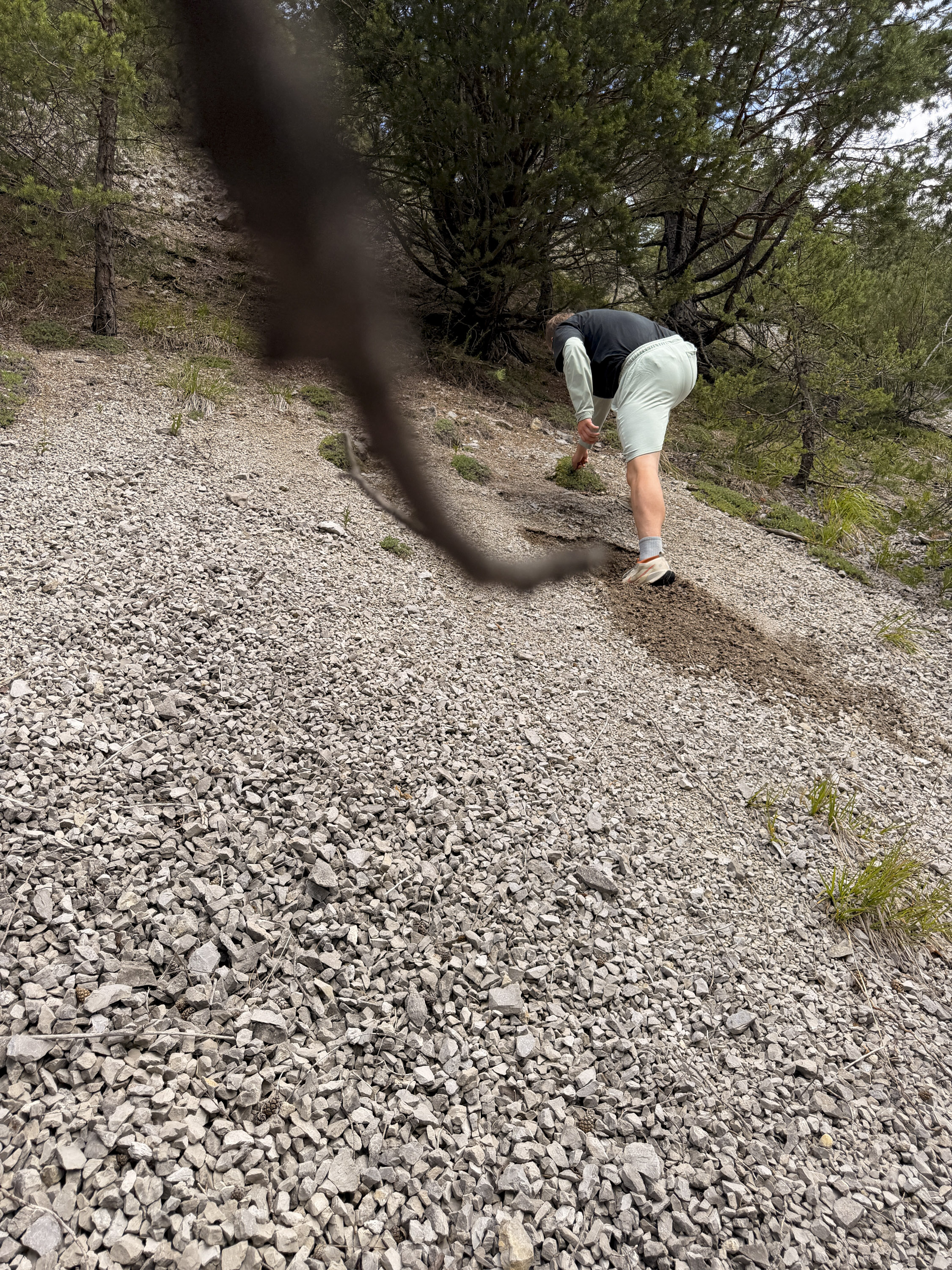
Alongside extensive monitoring and habitat management, including debushing and improvement measures at several Apollo sites, one of this year’s highlights was the continuation of the Austrian reinforcement and reintroduction programme.
The Austrian conservation programme addresses the regional diversity of Parnassius apollo, including populations historically described as Parnassius apollo noricanus, Parnassius apollo glocnerica and Parnassius apollo vindobonensis.
New life for Apollo habitats
Pupae and eggs of Parnassius apollo were released at several project sites. The autumn egg releases took place in Muhrtal, Aggsbach I, Aggsbach II, Kleinfeistritz and Leisach, while a further release in Fieberbrunn is scheduled for February 2027.
Aggsbach II: exploring a new home for the Apollo
Aggsbach II is a new potential Apollo site surveyed during 2026. Following the release of eggs, intensive monitoring during the coming season will help determine whether the site is fit for purpose and can provide the ecological conditions required for the establishment of a viable Apollo population.
Monitoring confirms the success of habitat restoration
Monitoring remained one of the central activities throughout 2026. As in previous years, the results confirm that the established Austrian project habitats are fit for purpose.
Parnassius apollo was recorded at all established project habitats, with the exception of four designated release sites where pupae and eggs were released during 2026 as planned. These sites will receive particular attention during the 2027 monitoring season to assess the outcome of the releases and subsequent population development.
These encouraging results underline the importance of the habitat restoration and maintenance measures implemented since 2022.
Habitat condition, Sedum availability, nectar resources, vegetation structure and the different development stages of the Apollo will continue to be monitored closely.
A growing network of people behind the butterfly
The Austrian Apollo2020 team has also grown. A new biologist has joined the project as a volunteer and will support the monitoring and management of the East Tyrolean sites, while another volunteer will support the project sites in the Wachau.
Their involvement further strengthens the long-term local conservation structures established during the project and extending into its After-LIFE phase.
From the field to the screen
Footage and interviews for the Apollo2020 educational film have been recorded, and the film is currently in its final editing phase.
The film will bring the work of LIFE Apollo2020, the fascinating biology of the Apollo butterfly and the conservation measures implemented throughout the project closer to a wider audience.
The Apollo exhibition goes on the road
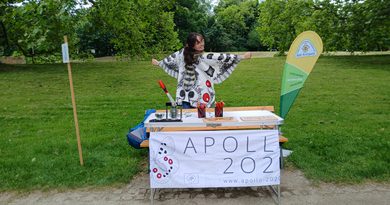
The mobile Apollo exhibition has started travelling to different locations and is already booked by several Austrian Nature Parks.
Through LIFE Apollo2020, the European Wilderness Society has developed long-term cooperation with these Nature Parks, creating opportunities to continue informing visitors about Parnassius apollo, its habitats and conservation needs well beyond the formal project period and into the After-LIFE phase.
Wherever possible, the exhibition also connects visitors directly with Apollo habitats and conservation activities located close to the respective exhibition sites.
Inspiring the next generation of conservationists
Schools remain another important part of the programme. Several schools were visited during 2026, and even more have already registered for visits by the Austrian Apollo2020 team in spring 2027.
These activities give young people the opportunity to discover the Apollo butterfly and understand why maintaining open, species-rich habitats is essential for its long-term survival.
2027: more releases, extensive monitoring and preparing for After-LIFE
The Austrian sites will now enter the final full field season in very good condition and fully within the LIFE Apollo2020 implementation timeframe.
A major focus in 2027 will be extensive and standardised monitoring across the Austrian sites, providing the final field data required for the assessment and final reporting of the conservation measures.
Further releases are planned, building on the reinforcement and reintroduction work carried out in previous years.
Habitat management will also continue, including targeted debushing and vegetation control wherever warranted, together with maintenance of Sedum and nectar resources and other site-specific measures.
Another key task in 2027 will be the finalisation of long-term After-LIFE management plans. These will help ensure that the habitat-management structures, landowner cooperation, monitoring arrangements and local partnerships established during LIFE Apollo2020 continue beyond the formal project period.
Building a future for Austria’s Apollo butterflies
After several years of habitat restoration, breeding, releases, monitoring and cooperation with landowners, conservation experts, volunteers, schools and Nature Parks, the Austrian Apollo network is entering the final project phase from a strong position.
The objective remains unchanged: to protect the regional diversity of Parnassius apollo and ensure that Austria’s Apollo populations have the habitats, connectivity and long-term local support they need to persist and thrive — not only until the end of LIFE Apollo2020, but for many years to come.
#LIFEApollo2020 #ParnassiusApollo #ApolloButterfly #NatureConservation #Biodiversity #SpeciesConservation #Austria #LIFEProgramme #HabitatRestoration #ButterflyConservation #AfterLIFE
I have kept the four designated release sites unnamed in the monitoring section to distinguish them from the five locations listed for autumn egg releases.